
Cart
0
How a Tradition Was Born
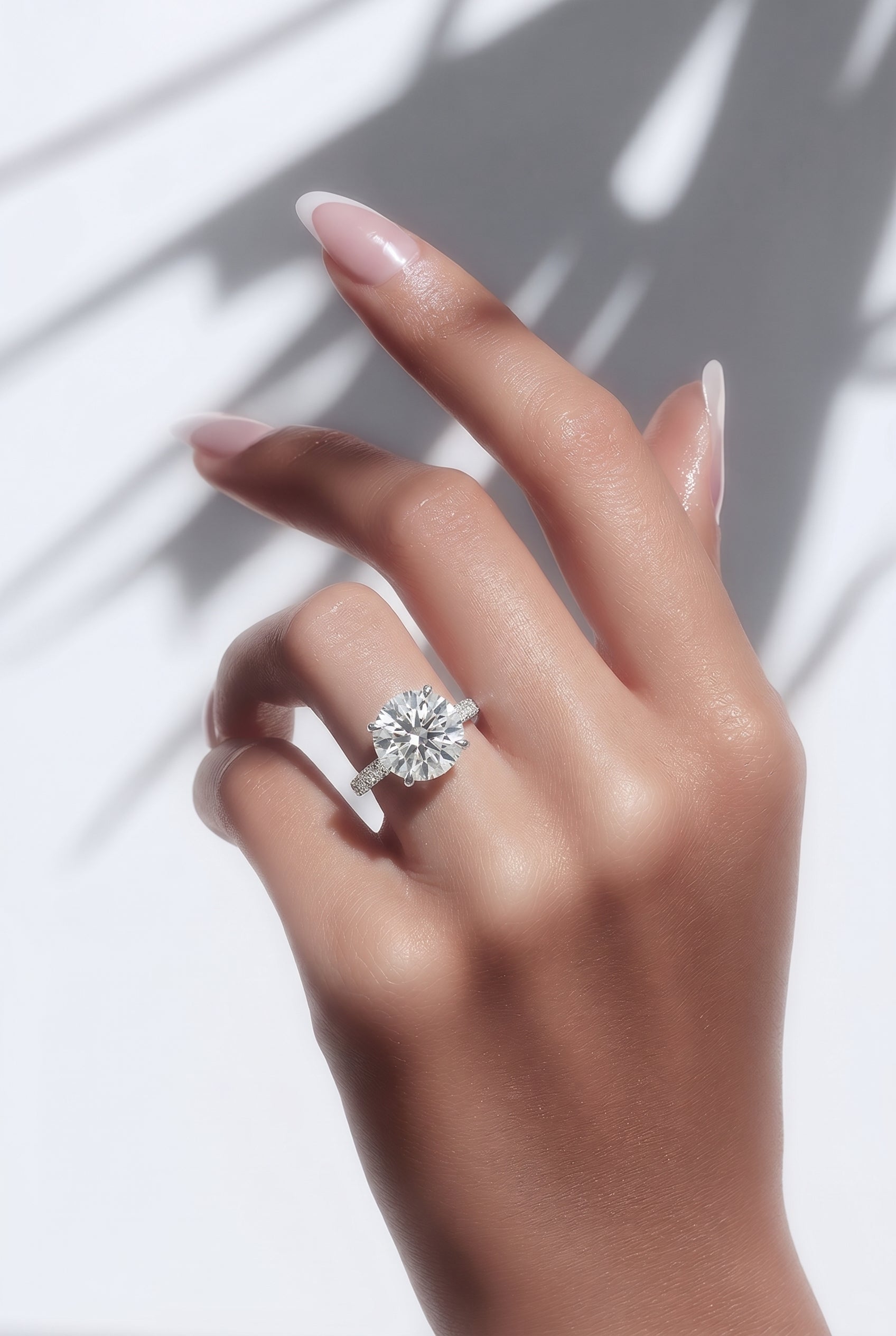
When a couple exchanges an engagement ring today, it feels like a timeless tradition. Diamonds have become synonymous with love, commitment, and marriage proposals around the world. But surprisingly, the diamond engagement ring is a relatively modern phenomenon with a fascinating history that spans centuries.
The Earliest Engagement Rings
The tradition of giving a ring as a symbol of engagement dates back to Ancient Rome. Roman women wore rings to signify a promise of marriage and to demonstrate that a binding agreement existed between two families. These early rings were often made of iron, symbolizing strength and permanence.
By the Middle Ages, engagement rings became more elaborate among European nobility. Precious metals and gemstones were incorporated into designs, though diamonds were still rare and reserved for royalty and the extremely wealthy.
The First Recorded Diamond Engagement Ring
The first documented diamond engagement ring appeared in 1477 when Archduke Maximilian of Austria proposed to Mary of Burgundy. He commissioned a ring featuring small diamonds arranged in the shape of the letter “M.”
This royal engagement sparked a trend among European aristocrats, who began incorporating diamonds into their engagement jewelry as a symbol of wealth, status, and devotion.
Why Diamonds Became Popular
For centuries, diamonds remained rare and inaccessible to most people. That changed dramatically in the late 19th century when large diamond deposits were discovered in South Africa. The increased supply made diamonds more available, though they were still considered luxury items.
The diamond industry grew rapidly, but by the early 20th century, demand had begun to slow. The challenge was convincing the public that diamonds were not simply beautiful gemstones but an essential part of engagement traditions.
“A Diamond Is Forever”
The turning point came in 1947 when advertising agency N.W. Ayer created one of the most successful marketing campaigns in history for De Beers. Their famous slogan, “A Diamond Is Forever,” linked diamonds directly with everlasting love and commitment.
The campaign transformed consumer behavior. Hollywood celebrities showcased diamond engagement rings, magazines promoted the tradition, and the idea that an engagement ring should feature a diamond became deeply ingrained in popular culture.
Within a few decades, diamond engagement rings became the standard choice for proposals across much of the world.
The Symbolism Behind the Diamond
Diamonds are the hardest natural substance on Earth, making them a fitting symbol for enduring love and lifelong commitment. Their brilliance, rarity, and resilience have helped establish their reputation as the ultimate gemstone for engagement rings.
Many people also appreciate the unique nature of each diamond. Just as every relationship is different, every diamond possesses its own characteristics and story.
The Evolution of Modern Engagement Rings
While the classic solitaire diamond remains one of the most popular styles, modern couples have embraced a wide variety of designs. Halo settings, vintage-inspired rings, three-stone rings, fancy-shaped diamonds, and custom creations allow couples to express their personal style.
Today's engagement rings often combine tradition with individuality, creating pieces that reflect both timeless romance and modern tastes.
A Tradition That Continues
From ancient Roman promises to royal proposals and iconic advertising campaigns, the diamond engagement ring has evolved into one of the most recognized symbols of love in the world.
Though styles and preferences may change over time, the meaning behind the engagement ring remains the same: a beautiful expression of commitment, devotion, and the beginning of a lifelong journey together.
Whether passed down through generations or chosen for a new chapter in life, every diamond engagement ring carries a story—and every love story deserves a symbol as enduring as the bond it represents.


