
Cart
0
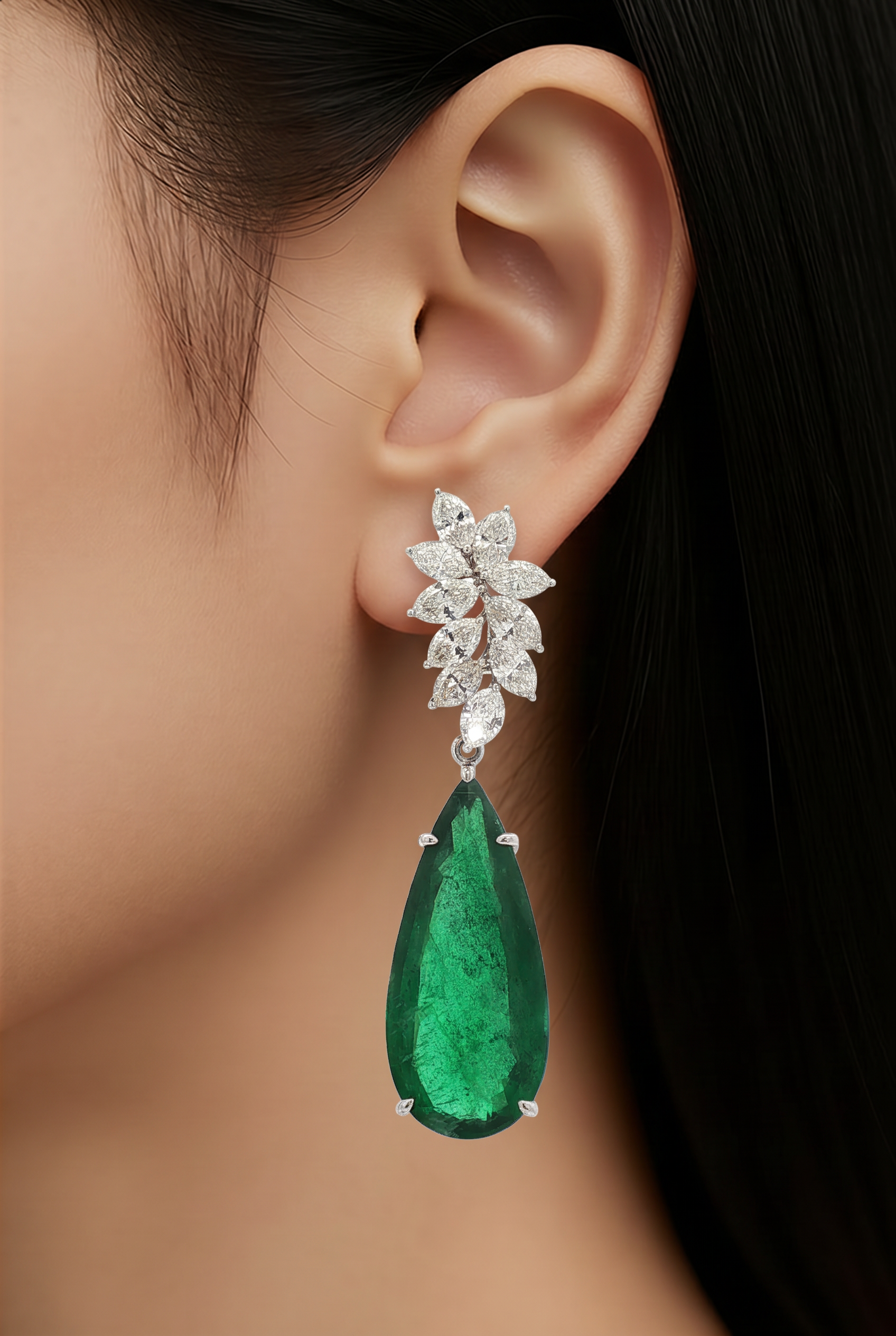
Long before diamonds became symbols of love and luxury, emeralds captivated civilizations with their mesmerizing green glow. Known as one of the oldest treasured gemstones in human history, emeralds have been admired by kings, queens, and collectors for thousands of years.
Ancient emerald mines in Egypt date back to at least 330 BC, and some historians believe emeralds were valued even earlier. The legendary Queen Cleopatra was famously obsessed with emeralds, adorning herself and her palace with these magnificent green gems. Across cultures, emeralds symbolized rebirth, wisdom, prosperity, and eternal youth.
What makes emeralds truly extraordinary is their rarity. Unlike many gemstones, high-quality emeralds form only under very specific geological conditions. The perfect combination of heat, pressure, and rare elements such as beryllium and chromium is required to create their signature rich green color. Because of these unique conditions, gem-quality emeralds are significantly rarer than many people realize.
In fact, fine emeralds with vivid color, excellent transparency, and minimal inclusions are often more difficult to find than diamonds of comparable quality. Most emeralds naturally contain internal characteristics, known as "jardin" (French for garden), making clean, vibrant stones exceptionally scarce and highly sought after.
Today, the world's most celebrated emeralds come from regions such as Colombia, Zambia, and Brazil, with Colombian emeralds often regarded as the benchmark for color and beauty. Their deep, velvety green hue continues to fascinate collectors and jewelry lovers around the globe.
More than just a gemstone, an emerald is a piece of history. Every emerald carries a story that stretches back millions of years beneath the earth and thousands of years through human civilization. Its rarity, beauty, and enduring legacy make it one of nature's most remarkable treasures—a gemstone that has remained timeless through every age.


